





Living with a cat brings endless joy, companionship, and adorable moments. However, cleaning the litter box is one responsibility that most cat owners would happily make easier. Between daily scooping, unpleasant odours, scattered litter, and maintaining a hygienic environment, traditional litter boxes can quickly become a frustrating part of everyday life.
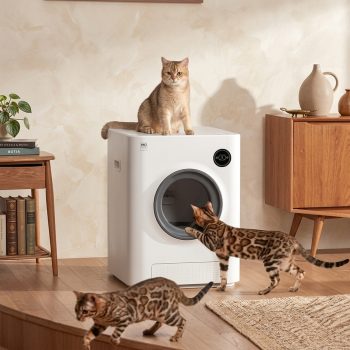
Fortunately, technology is transforming how we care for our feline companions. The smart self-cleaning cat litter box is becoming an increasingly popular solution for pet owners who want convenience, improved cleanliness, and a more comfortable home environment.
But what makes these innovative devices so special? And why could an automatic cat litter box become an essential part of modern pet care?
Let’s explore the future of cat hygiene and discover how smart litter technology is changing everyday life for cats and their owners.
Traditional litter boxes have remained relatively unchanged for years. Cat owners typically need to scoop waste manually, replace litter regularly, and clean the surrounding area to prevent unpleasant smells.
While these basic solutions serve their purpose, they require consistent attention and effort.
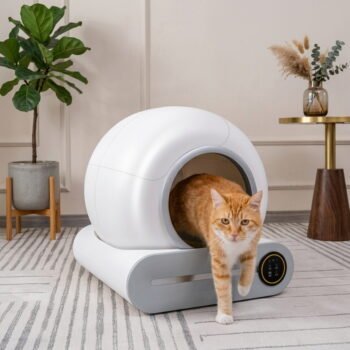
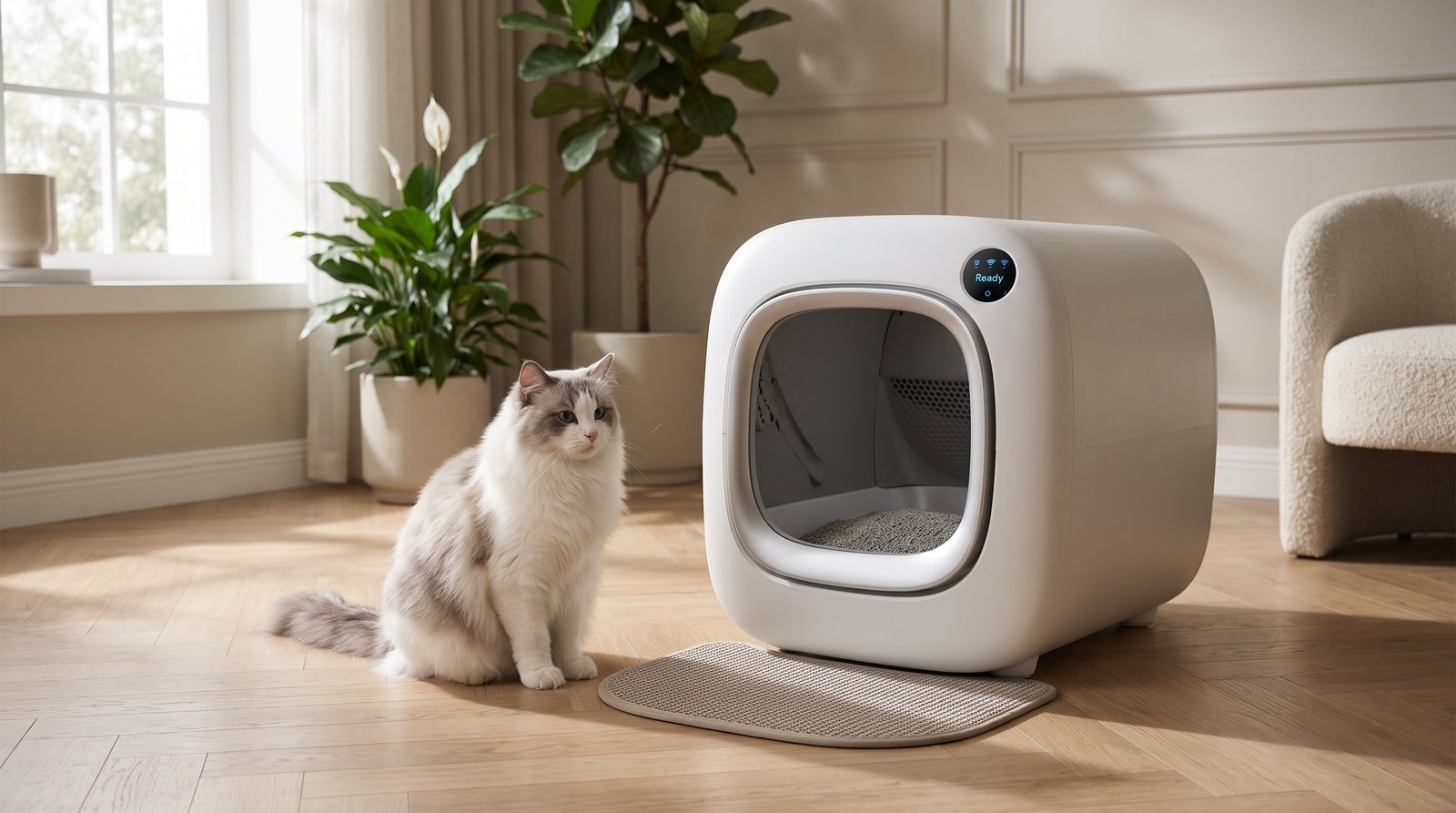
Modern self-cleaning litter boxes introduce a smarter approach. Instead of relying entirely on manual cleaning, these devices use automated mechanisms to separate waste from clean litter after a cat finish using the box.
Depending on the model, waste is transferred into a designated collection compartment, helping maintain a cleaner litter area between maintenance sessions.
This innovation represents an important step forward in pet care, particularly for busy households, multi-cat families, and people who want to spend less time managing everyday cleaning tasks.
The technology behind an automatic cat litter box is designed to make litter maintenance simpler and more efficient.
Most modern systems use sensors to detect when a cat enters and exits the litter box. After the cat leaves, the device waits for a programmed period before starting its cleaning cycle.
An internal mechanism then separates used litter and waste, depositing the waste into a dedicated container or removable compartment.
Some advanced models also include additional features that make the experience more convenient.
Automatic cleaning eliminates much of the repetitive scooping associated with traditional litter boxes. Once configured correctly, the device handles routine waste separation without requiring constant manual attention.
Owners still need to empty the waste compartment and maintain the litter, but the everyday cleaning process becomes considerably easier.
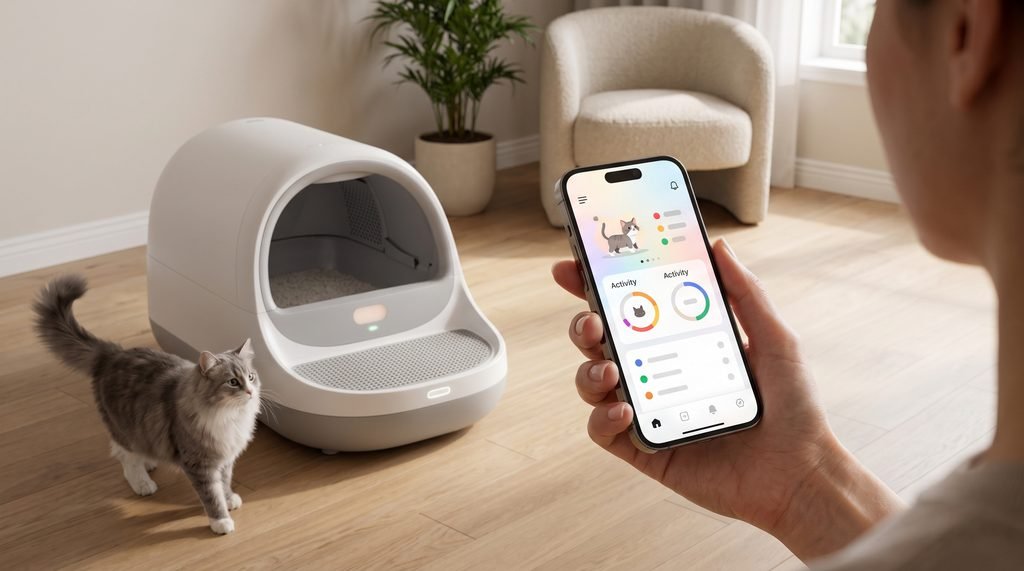
Connected litter boxes bring another level of convenience through smartphone applications.
Depending on the model, owners can monitor usage, receive maintenance notifications, check waste levels, and customize cleaning settings remotely.
These features make it easier to stay informed about litter box activity, even when you’re away from home.
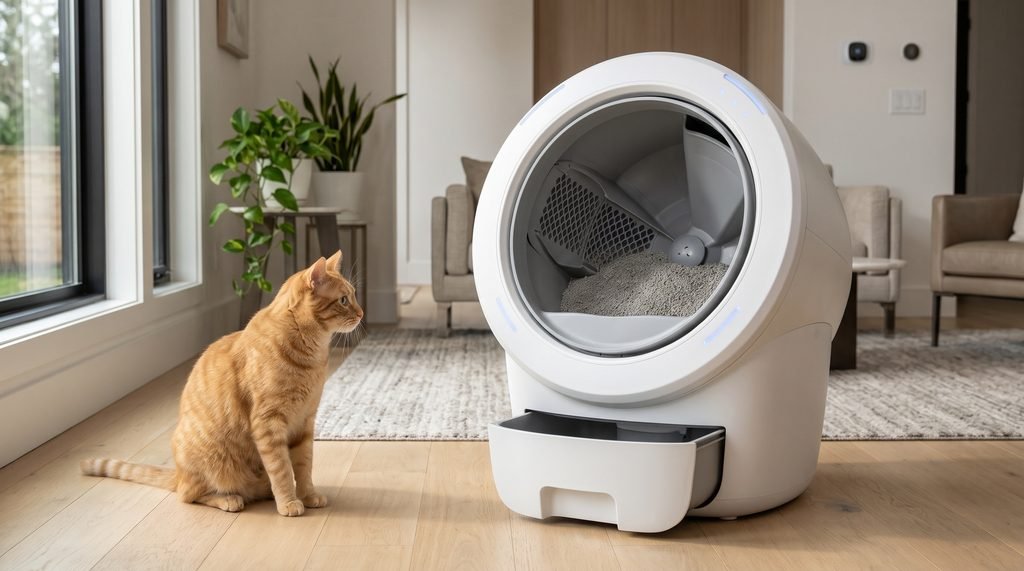
The growing popularity of self-cleaning litter boxes isn’t simply about technology. It’s about making life easier for both cats and their owners.
Regular waste removal helps prevent dirty litter from accumulating. Keeping the litter area cleaner can also make it more inviting for cats that prefer a fresh place to do their business.
For owners, automated cleaning reduces the need to handle waste multiple time throughout the day.
Unpleasant litter box odours are among the biggest challenges of living with indoor cats.
Many smart litter boxes incorporate enclosed waste compartments, deodorizing technology, or other odour-management features to help reduce unwanted smells.
Some models even include ionic deodorization systems designed to neutralize odours after use.
Although no litter box can guarantee a completely odour-free environment, these features can make maintaining a fresh-smelling home easier.
Between work, family responsibilities, and everyday activities, finding time for regular litter maintenance isn’t always easy.
A self-cleaning litter box helps reduce the frequency of manual scooping, giving owners more time to enjoy their pets.
It can also be particularly useful for households with multiple cats, provided the selected model has sufficient capacity and is suitable for the number and size of the animals.
Smart monitoring and app connectivity make it easier to understand how frequently a litter box is being used.
Some systems provide useful activity information that can help owners notice changes in bathroom habits. However, these features should complement regular observation and veterinary advice rather than replace them.
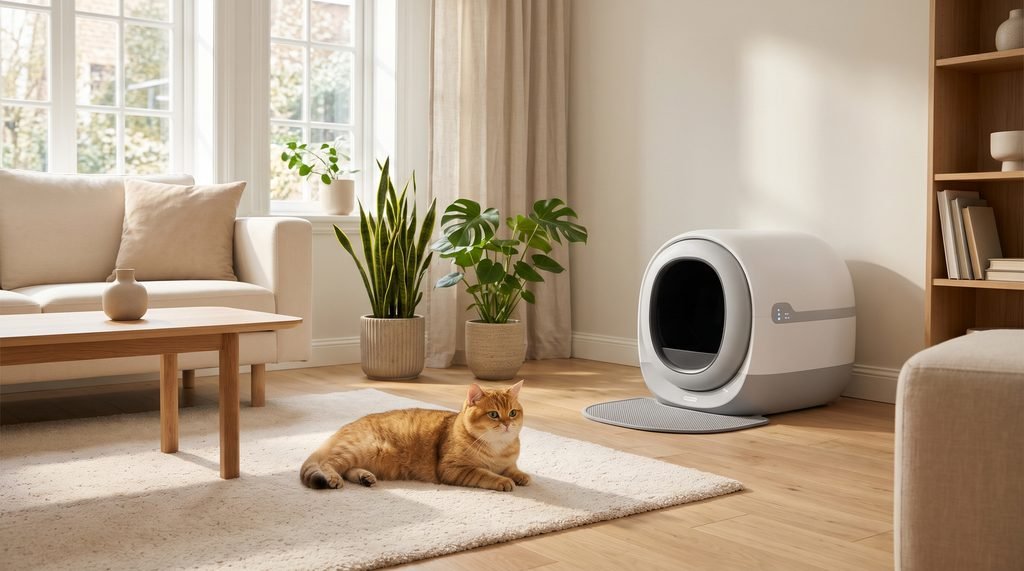
Not all automatic litter boxes offer the same features. Choosing the right option requires considering your cat’s comfort, your household’s needs, and the technology included.
A spacious litter box gives cats enough room to move comfortably. Larger-capacity models can also be practical for households with multiple cats.
Always consider your cat’s size and the manufacturer’s recommended weight and usage limits before purchasing.
Safety should always be a priority when choosing an automatic litter cleaner.
Look for reliable sensors, protective mechanisms, and designs that prevent cleaning cycles from operating when a cat is inside.
Introduce any automated litter box gradually and supervise your cat during the adjustment period.
Quiet operation is especially important if the litter box is placed near bedrooms or frequently used living spaces.
Odor-control features, enclosed waste compartments, and easy-to-clean surfaces can also contribute to a more comfortable home.
Even an automatic litter box requires occasional cleaning, litter replacement, and waste disposal.
Choose a model with accessible compartments, straightforward assembly, and clear maintenance instructions.
Even the most advanced litter box won’t be useful if your cat refuses to use it.
Cats are creatures of habit, so introducing a new litter system requires patience.
Start by placing the new litter box near the existing one. Allow your cat to investigate it naturally without forcing interaction.
Keeping the familiar litter type initially can also make the transition easier, provided it is compatible with the new device.
Consider keeping the automatic cleaning function switched off while your cat becomes comfortable entering and leaving the unit. Once your cat regularly uses it, gradually introduce the automated features according to the manufacturer’s instructions.
Always monitor your cat’s behaviour and provide an alternative litter box during the transition.
Pet care technology continues to evolve, and smart litter boxes are an excellent example of how innovation can improve everyday routines.
As connected devices become more advanced, we can expect continued developments in automated waste management, remote monitoring, odour control, and personalized pet-care features.
However, technology should always serve one important purpose: improving the comfort and well-being of our pets.
A clean litter box, a comfortable environment, and attentive owners remain essential ingredients for a happy and healthy cat.
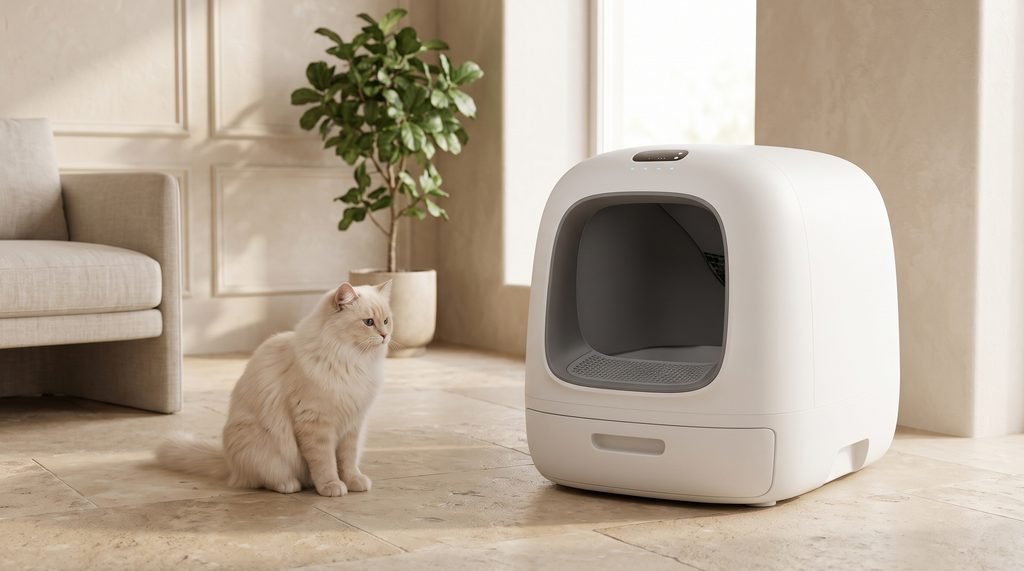
Cleaning the litter box doesn’t have to be one of the most time-consuming parts of owning a cat.
A smart self-cleaning cat litter box offers a practical way to reduce daily maintenance, manage unpleasant odours, and introduce greater convenience into your home.
Whether you’re caring for one curious kitten or sharing your home with several adult cats, investing in better litter management can make a meaningful difference to your everyday routine.
Ready to embrace the future of pet hygiene? Discover the Smart Self-Cleaning Cat Litter Boxes at Stunning Stash and take a step toward a cleaner home and a happier cat.
















Leave a comment